The phrase “microwave oven safe” indicates that a material is designed to withstand microwave radiation without adverse effects, ensuring it won’t melt, warp, leach harmful chemicals, or cause sparks. This designation is crucial for safe and effective microwave use, protecting both your appliance and your food from harm. Common microwave-safe materials include glass, ceramic, and specific types of plastic, which allow microwaves to pass through and heat only the food inside.
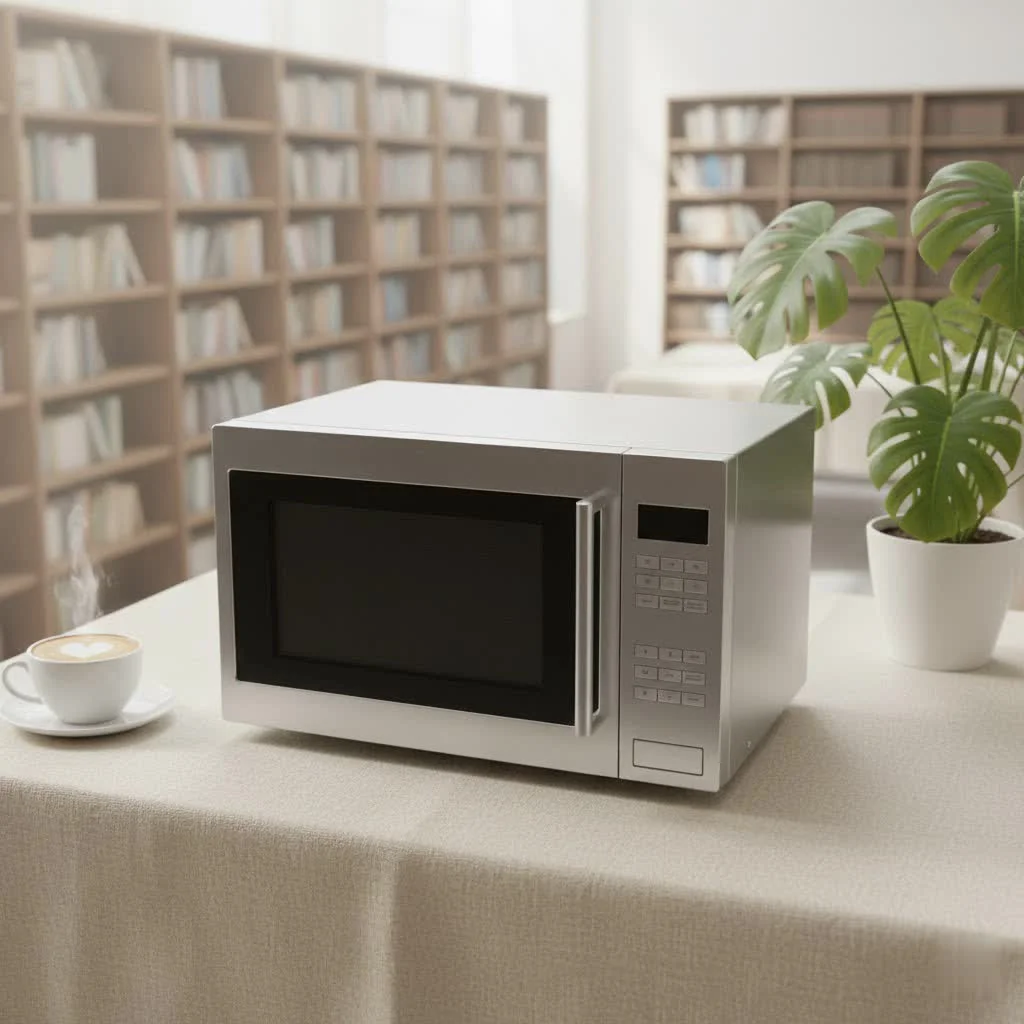
What “Microwave Oven Safe” Means for Your Containers
When a dish, container, or wrap is labeled “microwave oven safe,” it means the material is designed to withstand microwave radiation without adverse effects. Primarily, this implies that the item will not:
- Melt, warp, or degrade: The material can endure the heat generated during the microwaving process without physical damage.
- Leach harmful chemicals: Certain plastics, when heated, can release chemicals into your food. Microwave-safe plastics are formulated to prevent this, maintaining food purity.
- Cause sparks or fires: Materials like metal can reflect microwaves, leading to electrical arcing and potential damage to your oven or even fire. Microwave-safe items are free from such reactive components.
Common microwave-safe materials include glass, ceramic, and specific types of plastic. These materials allow microwaves to pass through them, heating only the food inside.
Identifying Microwave-Safe Items
Look for universal symbols to easily identify microwave-safe containers. Often, these include a microwave icon (a microwave with wavy lines), or text explicitly stating “microwave safe” or “BPA-free and microwave safe.” If a container lacks such a label, it’s always safer to err on the side of caution and use an alternative.
Debunking Microwave Oven Myths
|
Our Picks for the Best Microwave Oven in 2026
As an Amazon Associate I earn from qualifying purchases.
|
||
| Num | Product | Action |
|---|---|---|
| 1 | GASLAND 30 Inch Over-the-Range Microwave Oven, 1.7 Cu.Ft Over Stove Microwave, 1000W with 10 Power Levels, Sensor & One-Touch Cooking, 300 CFM Venting, LED Cooktop Light, Black Kitchen Microwave |

|
| 2 | Chefman Countertop Microwave Oven 0.7 Cu. Ft., 700 Watts with 10 Power Levels, 6 Cooking Presets with One-Touch Express Cook, Eco Mode, Child Safety Lock, & Mute Button - Black |
|
| 3 | TOSHIBA ML-EM09PA(BS) Small Microwave Oven with 6 Auto Menus, Mute Function & Child Lock, LED Lighting, Perfect for Apartment, 0.9 Cu Ft, 10.6 Inch Removable Turntable, 900W, Black Stainless Steel |
|
| 4 | TOSHIBA ML-EM09PA(SS) Small Microwave Oven with 6 Auto Menus, Mute Function & Child Lock, LED Lighting, Perfect for Apartments & Dorms, 0.9 Cu Ft, 10.6 Inch Removable Turntable, 900W, Stainless Steel |
|
| 5 | FRIGIDAIRE EMW733BLACKAMZ 0.7 Cu. Ft. Microwave, Black |
|
| 6 | BLACK+DECKER EM720CB7 Digital Microwave Oven with Turntable Push-Button Door, Child Safety Lock, 700W, Stainless Steel, 0.7 Cu.ft |
|
| 7 | Midea Flexify Pro 10+4 Toaster Oven Air Fryer Combo, Graphene Juicy-Lock Cooking, French Door Countertop Oven, 450°F Flash Air Fry, 26.4 QT Stainless Steel |
|
| 8 | TOSHIBA EM131A5C-BS Countertop Microwave Ovens 1.2 Cu Ft, 12.4\" Removable Turntable Smart Humidity Sensor 12 Auto Menus Mute Function ECO Mode Easy Clean Interior Black Color 1000W |
|
| 9 | TOSHIBA EM131A5C-SS Countertop Microwave Ovens 1.2 Cu Ft with 12.4\" Removable Turntable Smart Humidity Sensor, 12 Auto Menus Mute Function ECO Mode Easy Clean Interior, 1000W, Silver |
|
| 10 | COMFEE\' EM720CPL-PMB Countertop Microwave Oven with Sound On/Off, ECO Mode and Easy One-Touch Buttons, 0.7cu.ft, 700W, Black |
|
Concerns about microwave ovens and health have circulated for years, but most are unfounded. It’s important to understand:
- Non-ionizing Radiation: Microwave ovens use non-ionizing radiation, a form of electromagnetic energy similar to radio waves. Unlike X-rays, non-ionizing radiation does not alter the chemical structure of food or make it radioactive.
- Food Safety: Food heated in a microwave does not become “radioactive” or “contaminated.” The radiation simply causes water molecules in food to vibrate, generating heat.
- Regulated Safety: Microwave oven manufacturers adhere to strict safety standards set by regulatory bodies, limiting radiation emissions to safe levels.
While microwave radiation itself isn’t inherently dangerous when ovens are used correctly, direct exposure to high levels can cause burns, particularly to areas with less blood flow like the eyes. However, modern microwave ovens are designed to contain this radiation safely within the cooking chamber.
Ensuring Food Safety in the Microwave
One key consideration for microwave cooking is the potential for uneven heating. Microwaves can create “cold spots” in food where bacteria might survive, especially with denser items. To mitigate this risk:
- Stir and Rotate: Regularly stir or rotate food during heating to distribute heat evenly.
- Cover Food: Use a microwave-safe lid or plastic wrap to trap steam, which helps ensure more uniform heating and retains moisture. Vent a corner to allow steam to escape.
- Check Temperature: For meats, poultry, and leftovers, use a food thermometer to confirm that the internal temperature reaches a safe level, typically 165°F (74°C).
- Allow Standing Time: After heating, let food stand for a minute or two to allow heat to continue dispersing throughout.
Best Practices for Microwave Use
Following simple guidelines ensures a safe and efficient experience:
- Always use microwave-safe containers. If unsure, transfer food to a glass or ceramic dish.
- Avoid all metal in the microwave, including aluminum foil (unless specifically stated as microwave-safe by the manufacturer for certain packaging).
- Do not operate an empty microwave, as this can damage the appliance.
- Clean your microwave regularly to prevent food splatter from becoming a fire hazard and to maintain efficiency.
- Inspect your microwave for damage, especially to the door seal, which could allow radiation to leak. If damaged, seek professional repair.
By understanding the meaning of “microwave oven safe” and adhering to these simple practices, you can confidently and safely utilize one of the most convenient appliances in your kitchen.
Cooking gear we tested in our own kitchens
Free PDF — preheat times measured on 10 popular air fryers.
I used to just guess if my containers were safe, and I’ve definitely had a few plastic mishaps! This guide really helped me understand why some plastics are okay and others aren’t. Now I feel much more confident reheating leftovers without worrying about warping or chemicals. My old ceramic bowls are definitely getting more use now.
This was super informative! I never really thought about the ‘leaching harmful chemicals’ aspect before, just melting. It’s made me re-evaluate some of my older plastic containers. I’m definitely switching to more ceramic and glass for everyday use. Thanks for the clear breakdown!
The explanation of materials was clear, but I wish there was a bit more detail on how to identify the different types of plastic. Sometimes the labels are so tiny or just not there. I ended up having to look up some of my containers separately. Still, it’s a good starting point for understanding what to look for.
Good info on what ‘microwave oven safe’ actually means. I always knew glass was fine, but the part about specific types of plastic was really helpful. I’ve been trying to reduce my use of single-use plastics, so knowing which reusable containers are truly safe for the microwave is a game-changer. It’s made meal prep a lot easier.