In the fast-paced world of professional kitchens, every second counts, and efficiency is the secret sauce to success. While grand ranges and industrial ovens often steal the spotlight, there’s an unsung hero working tirelessly behind the scenes: the commercial microwave oven. At Fybyy Home, we understand that this isn’t just another appliance; it’s a strategic partner designed to streamline operations, enhance food quality, and boost your bottom line. Join us as we delve into everything you need to know about the commercial microwave oven, from its powerful capabilities to essential maintenance, ensuring your kitchen stays ahead of the curve.
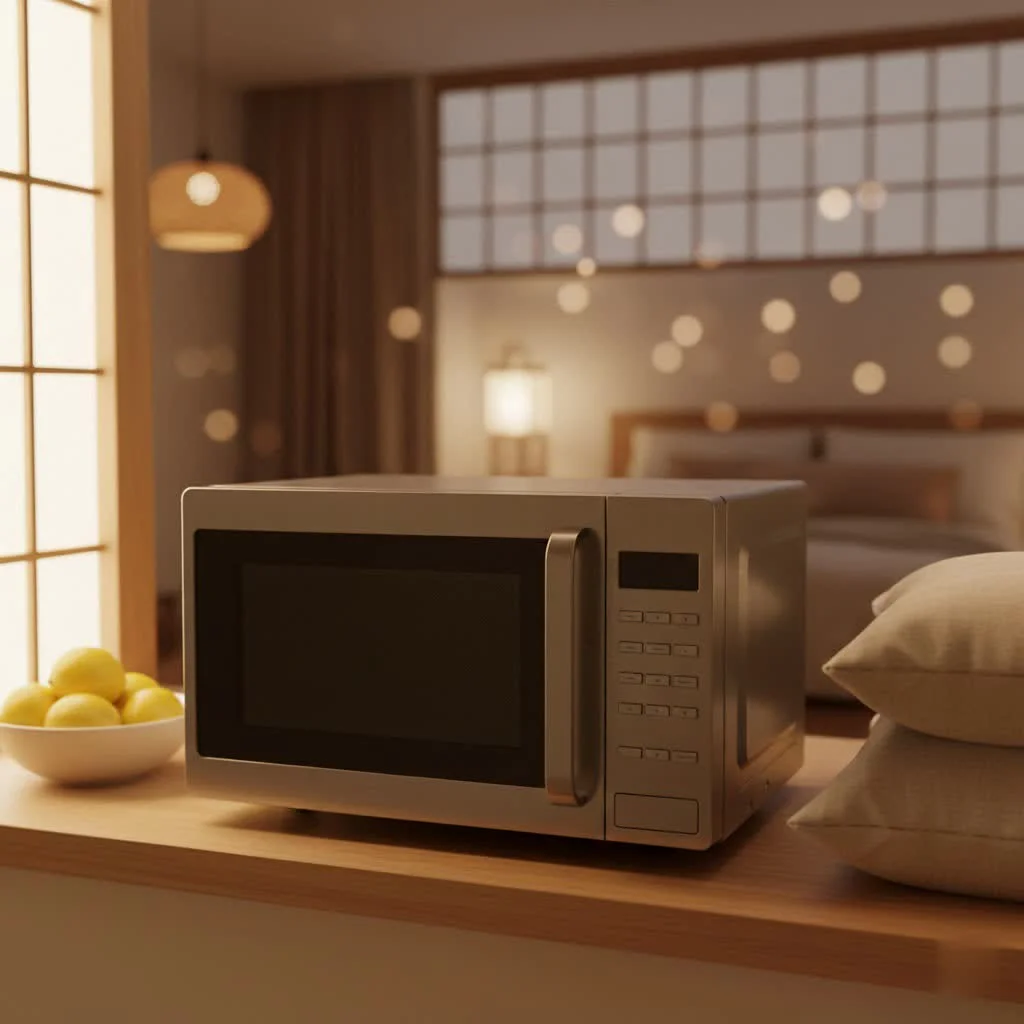
The Dawn of Speed: A Brief History of the Microwave Oven’s Commercial Journey
The microwave oven’s journey from an accidental discovery by Percy Spencer in the 1940s to an indispensable commercial tool is a testament to innovation. Initially a bulky, expensive piece of equipment, its potential for rapid heating quickly caught the attention of the foodservice industry. Early models, though crude by today’s standards, offered a glimpse into a future where kitchens could operate with unprecedented speed. Over decades, advancements in magnetron technology, cavity design, and control systems transformed the commercial microwave oven into the robust, reliable workhorse we recognize today, making it a staple in virtually every professional kitchen, from bustling quick-service restaurants to elegant fine-dining establishments. For browse all kitchen appliance articles on this site.
Beyond the Basics: How a Commercial Microwave Oven Really Works
At its core, a commercial microwave oven functions by generating electromagnetic waves, specifically microwaves, which excite water molecules within food. This rapid vibration creates heat, cooking or reheating food from within. But what truly sets a commercial unit apart from its residential cousin? It’s all about distribution and endurance. Unlike home models that often rely on a rotating turntable to ensure even heating, commercial microwave ovens utilize advanced stirrer systems. These hidden components effectively distribute microwave energy throughout the entire cooking cavity, ensuring consistent results without the need for manual stirring or rotating, even for larger, oddly shaped dishes. This sophisticated energy management is crucial for the high-volume, consistent performance required in commercial settings.
Not All Microwaves Are Created Equal: Decoding Commercial vs. Residential
If you’ve ever wondered why you can’t just plop a residential microwave into a busy restaurant, you’re on the right track. The distinctions are profound, impacting everything from power to longevity.
Power and Durability: Built for the Grind
The most immediate difference you’ll notice is power output. While your home microwave might hum along at 700-1200 watts, a commercial microwave oven is a true powerhouse, typically ranging from 1,000 to over 3,000 watts. This higher wattage translates directly into faster cooking times, which is non-negotiable in a commercial kitchen where minutes, or even seconds, can impact service speed. Beyond wattage, commercial units are engineered for resilience. They boast heavy-duty components like robust cooling fans, industrial-grade transformers, and commercial-quality relays designed to withstand hours of continuous operation, day in and day out. Their construction often features durable stainless steel interiors and exteriors, not only for a sleek, professional look but also for superior resistance to rust, scratches, dents, and the rigorous cleaning demands of a commercial environment.
Precision and Programming: Consistency is Key
|
Our Picks for the Best Microwave Oven in 2026
As an Amazon Associate I earn from qualifying purchases.
|
||
| Num | Product | Action |
|---|---|---|
| 1 | Midea Flexify Pro 10+4 Toaster Oven Air Fryer Combo, Graphene Juicy-Lock Cooking, French Door Countertop Oven, 450°F Flash Air Fry, 26.4 QT Stainless Steel |

|
| 2 | TOSHIBA EM131A5C-BS Countertop Microwave Ovens 1.2 Cu Ft, 12.4\" Removable Turntable Smart Humidity Sensor 12 Auto Menus Mute Function ECO Mode Easy Clean Interior Black Color 1000W |
|
| 3 | BLACK+DECKER EM720CB7 Digital Microwave Oven with Turntable Push-Button Door, Child Safety Lock, 700W, Stainless Steel, 0.7 Cu.ft |
|
| 4 | FRIGIDAIRE EMW733BLACKAMZ 0.7 Cu. Ft. Microwave, Black |
|
| 5 | COMFEE\' EM720CPL-PMB Countertop Microwave Oven with Sound On/Off, ECO Mode and Easy One-Touch Buttons, 0.7cu.ft, 700W, Black |
|
| 6 | TOSHIBA ML-EM09PA(SS) Small Microwave Oven with 6 Auto Menus, Mute Function & Child Lock, LED Lighting, Perfect for Apartments & Dorms, 0.9 Cu Ft, 10.6 Inch Removable Turntable, 900W, Stainless Steel |
|
| 7 | TOSHIBA ML-EM09PA(BS) Small Microwave Oven with 6 Auto Menus, Mute Function & Child Lock, LED Lighting, Perfect for Apartment, 0.9 Cu Ft, 10.6 Inch Removable Turntable, 900W, Black Stainless Steel |
|
| 8 | GASLAND 30 Inch Over-the-Range Microwave Oven, 1.7 Cu.Ft Over Stove Microwave, 1000W with 10 Power Levels, Sensor & One-Touch Cooking, 300 CFM Venting, LED Cooktop Light, Black Kitchen Microwave |
|
| 9 | Chefman Countertop Microwave Oven 0.7 Cu. Ft., 700 Watts with 10 Power Levels, 6 Cooking Presets with One-Touch Express Cook, Eco Mode, Child Safety Lock, & Mute Button - Black |
|
| 10 | TOSHIBA EM131A5C-SS Countertop Microwave Ovens 1.2 Cu Ft with 12.4\" Removable Turntable Smart Humidity Sensor, 12 Auto Menus Mute Function ECO Mode Easy Clean Interior, 1000W, Silver |
|
In a professional kitchen, consistency is paramount. A commercial microwave oven offers extensive programming capabilities that residential models simply can’t match. Imagine being able to program up to 100 or even more menu items, each with specific multi-stage cooking instructions, all accessible at the touch of a button. This level of customization ensures that every dish is heated to perfection, regardless of who is operating the machine, drastically reducing training time and human error. The absence of a turntable, compensated by advanced stirrer systems, allows for larger, commercial-sized food pans to be used, expanding the range of applications.
Health, Safety, and Compliance
For any foodservice business, health and safety are non-negotiable. Commercial microwave ovens are designed and rigorously tested to meet stringent health inspection requirements, unlike residential models, which are not certified for commercial use and could invalidate insurance benefits. Their robust construction and even heating capabilities also contribute to food safety by consistently cooking food thoroughly and reducing the risk of foodborne illnesses.
Finding Your Kitchen’s Perfect Partner: Types of Commercial Microwave Ovens
Just like chefs specialize in different cuisines, commercial microwave ovens come in various “duty levels,” each tailored to specific kitchen demands.
Light-Duty Commercial Microwaves
These models are typically rated around 1,000 watts and are perfect for businesses with lower volume needs. Think small cafes, office breakrooms, or convenience stores. They excel at reheating beverages, warming pastries, or quickly melting small amounts of butter, with an estimated usage of up to 50 times a day.
Medium-Duty Commercial Microwaves
Stepping up the power, medium-duty units usually offer 1,200 to 2,000 watts. These are ideal for mid-sized restaurants, bakeries, or food trucks that experience moderate usage, perhaps up to 150 times daily. They efficiently handle tasks like heating soups, sauces, and partially frozen items.
Heavy-Duty Commercial Microwaves
For the true titans of the kitchen – high-volume operations like quick-service restaurants (QSRs), hotels, and large cafeterias – heavy-duty commercial microwave ovens are indispensable. Boasting 2,000 to 3,000+ watts, these powerhouses are built for continuous, rapid-fire operation, often exceeding 150 uses per day. Many feature dual magnetrons for exceptionally fast and even heating.
High-Speed & Rapid Cook Ovens: The Next Level
For those needing to go beyond simple reheating, high-speed or rapid cook ovens are a game-changer. These advanced appliances combine microwave energy with other heat sources, such as convection (hot air) or impingement (jet air), to brown, crisp, and cook food significantly faster than conventional ovens—sometimes 10-15 times quicker. They’re perfect for toasting sandwiches, baking pizzas in minutes, or finishing appetizers with that desirable crispy exterior.
The Unsung Advantages: Why Every Commercial Kitchen Needs a Dedicated Microwave Oven
Integrating a commercial microwave oven into your kitchen brings a cascade of benefits that can profoundly impact your operations.
Lightning-Fast Heating and Defrosting
This is the most obvious advantage. A commercial microwave oven can rapidly reheat prepared dishes, steam vegetables, or quickly defrost ingredients, significantly cutting down on preparation times. Imagine serving a perfectly warmed dish in seconds, keeping your customers happy and your lines moving.
Enhanced Efficiency and Workflow
With programmable controls, staff can execute complex heating tasks with minimal training, ensuring consistent results every time. This frees up valuable time for chefs and cooks to focus on more intricate culinary creations, optimizing overall kitchen workflow.
Consistent Food Quality
The advanced stirrer systems and precise power control in commercial models guarantee even heating, which is crucial for maintaining the texture, flavor, and safety of your food. No more cold spots or unevenly cooked dishes.
Energy and Cost Savings
Unlike conventional ovens that require lengthy preheating, commercial microwaves heat food on demand, using energy only when actively cooking. Furthermore, they don’t generate significant ambient heat, reducing the strain on your HVAC system and potentially lowering utility costs, especially in a busy kitchen environment.
Space Utilization and Flexible Placement
Commercial microwaves are often designed with a compact footprint and can be stacked or placed on countertops without requiring elaborate ventilation systems like range hoods. This flexibility allows for strategic placement, maximizing efficiency in even the most constrained kitchen layouts.
Simplified Staff Training
The intuitive, programmable controls simplify operations, making it easier and quicker to train new staff members. This consistency reduces errors and ensures that anyone can operate the microwave effectively, even during peak hours.
Beyond the Button: Key Features to Prioritize in Your Commercial Microwave Oven
Choosing the right commercial microwave oven requires a keen eye for features that align with your specific operational needs.
- Power Output (Wattage): As discussed, higher wattage means faster cooking. Match the wattage to your kitchen’s volume – light, medium, or heavy-duty – to prevent bottlenecks.
- Capacity and Footprint: Ensure the interior cavity is large enough to accommodate your standard commercial food pans. Consider the external dimensions to guarantee it fits your available counter space, allowing for proper ventilation.
- Programmable Controls: Look for models with an easy-to-use interface and ample memory slots (e.g., 100+ menu items) for pre-setting cooking times and power levels. This is a game-changer for consistency.
- Durability and Build Materials: Stainless steel construction for both interior and exterior is highly recommended for longevity, ease of cleaning, and hygiene.
- Multiple Power Levels: This feature offers versatility, allowing you to defrost delicate items at a low power setting and rapidly reheat robust dishes at full power, preserving food quality.
- Even Heat Distribution: Confirm the microwave utilizes a stirrer system or similar technology to ensure uniform heating without a turntable.
- Ventilation: While not always requiring a hood, ensure the unit has adequate built-in ventilation or that your kitchen provides sufficient airflow to prevent overheating and maintain optimal performance.
Keeping Your Kitchen’s Workhorse Running: Essential Maintenance and Cleaning
Just like any high-performance equipment, your commercial microwave oven needs love and care to thrive. Regular maintenance and cleaning are not just about aesthetics; they’re vital for longevity, efficiency, and safety.
Daily Rituals: Quick Wipes for Longevity
At the end of each service day, a quick wipe-down can prevent grime from hardening. Use a damp cloth with a mild soap solution to clean the interior, exterior, door, and door seals. This simple step helps maintain hygiene and prevents the buildup of food particles that can affect performance and pose fire hazards. “Daily care is non-negotiable for commercial microwaves,” says Chef Anya Sharma, a seasoned professional in high-volume catering. “It prevents minor spills from becoming major headaches and keeps your equipment performing optimally.”
Weekly Deep Dive: Tackling the Tough Spots
Once a week, dedicate time for a more thorough cleaning. Remove and clean the splash cover, ceiling cover, and air intake filters (if applicable). For stubborn stains and dried-on food, try boiling a mixture of water and vinegar or lemon juice in the microwave for a few minutes. The steam will loosen grime, making it easier to wipe away with a soft cloth. Alternatively, a baking soda paste can work wonders. Always ensure the microwave is unplugged before deep cleaning and avoid harsh chemicals or metallic brushes, which can damage the surfaces and void warranties.
Monthly Checks: Seal the Deal
The door seal is crucial for containing microwave energy. Once a month, perform a simple “dollar bill test”: close the microwave door on a dollar bill. If you can easily pull it out, the seal might be worn and needs attention, as a loose seal can lead to energy leaks and inefficiency.
Annual Professional Tune-Up
Just as you’d service your car, consider an annual professional inspection for your commercial microwave oven. Experienced technicians can identify and address potential issues with components like magnetrons, cooling fans, and wiring before they escalate into costly breakdowns, extending the lifespan of your valuable appliance.
Commercial Microwave Ovens in Action: Comparing with Other Kitchen Equipment
It’s tempting to think of a commercial microwave oven as a standalone solution, but its true power shines when integrated thoughtfully with other kitchen equipment.
The primary distinction between a microwave and a conventional oven lies in their functions: speed versus texture. While an oven excels at baking, roasting, and developing those desirable browned and crispy textures, a commercial microwave oven is unmatched for rapid heating, defrosting, and steaming. For instance, you wouldn’t bake a delicate soufflé in a microwave, but it’s the perfect tool for quickly rethermalizing a pre-cooked sauce or steaming vegetables to perfection without using bulky equipment. In many modern kitchens, a combination of both a commercial microwave and a convection oven is essential, allowing for a versatile workflow that balances speed, quality, and culinary artistry.
Frequently Asked Questions (FAQ) About Commercial Microwave Ovens
Q1: Can I use a residential microwave in a commercial kitchen?
A: No, residential microwaves are not designed for the heavy, continuous use required in commercial settings and often do not meet health and safety compliance standards for professional kitchens.
Q2: What wattage is best for a commercial microwave oven?
A: It depends on your usage volume. Light-duty needs typically require around 1,000 watts, medium-duty 1,200-2,000 watts, and heavy-duty 2,000-3,000+ watts for high-volume operations.
Q3: How often should I clean my commercial microwave oven?
A: The interior and exterior should be wiped daily. More thorough cleaning of covers and filters should be done weekly, and door seals checked monthly. An annual professional service is also recommended.
Q4: What’s the difference between light, medium, and heavy-duty models?
A: These categories denote the microwave’s power output (wattage) and its capacity to handle daily usage volume, with heavy-duty models built for the most intensive, continuous operation.
Q5: Do commercial microwaves have turntables?
A: Most commercial microwave ovens do not have turntables. Instead, they use advanced stirrer systems to distribute microwave energy evenly throughout the cavity, allowing for larger, stationary food pans.
Q6: Are commercial microwaves energy efficient?
A: Yes, generally more so than conventional ovens for many tasks. They heat food quickly and only use energy when operating, eliminating the need for preheating and reducing ambient heat in the kitchen.
Q7: What about high-speed/rapid cook ovens?
A: These are specialized commercial ovens that combine microwave energy with other heating technologies like convection or impingement to cook food much faster and achieve browning and crisping that standard microwaves cannot.
Conclusion: Powering Your Kitchen’s Future with Fybyy Home
The commercial microwave oven is far more than a simple reheating device; it’s a pivotal piece of equipment that can redefine the efficiency, consistency, and profitability of your kitchen. By understanding its unique design, diverse types, and the meticulous care it requires, you equip your business with a reliable asset. At Fybyy Home, we are committed to being your trusted guide, offering insights and expertise that empower you to make informed decisions for your culinary operations. Invest wisely in a quality commercial microwave oven, nurture it with proper maintenance, and watch as your kitchen thrives, delivering exceptional results, dish after dish.
Cooking gear we tested in our own kitchens
Free PDF — preheat times measured on 10 popular air fryers.