Modern kitchens are evolving, and with them, the appliances that power our culinary adventures. Among the most sought-after upgrades is the built-in microwave oven – an appliance designed for seamless integration, superior aesthetics, and enhanced functionality. Far from the countertop units of the past, these sleek machines blend effortlessly into your cabinetry or wall, transforming your kitchen’s look and feel.
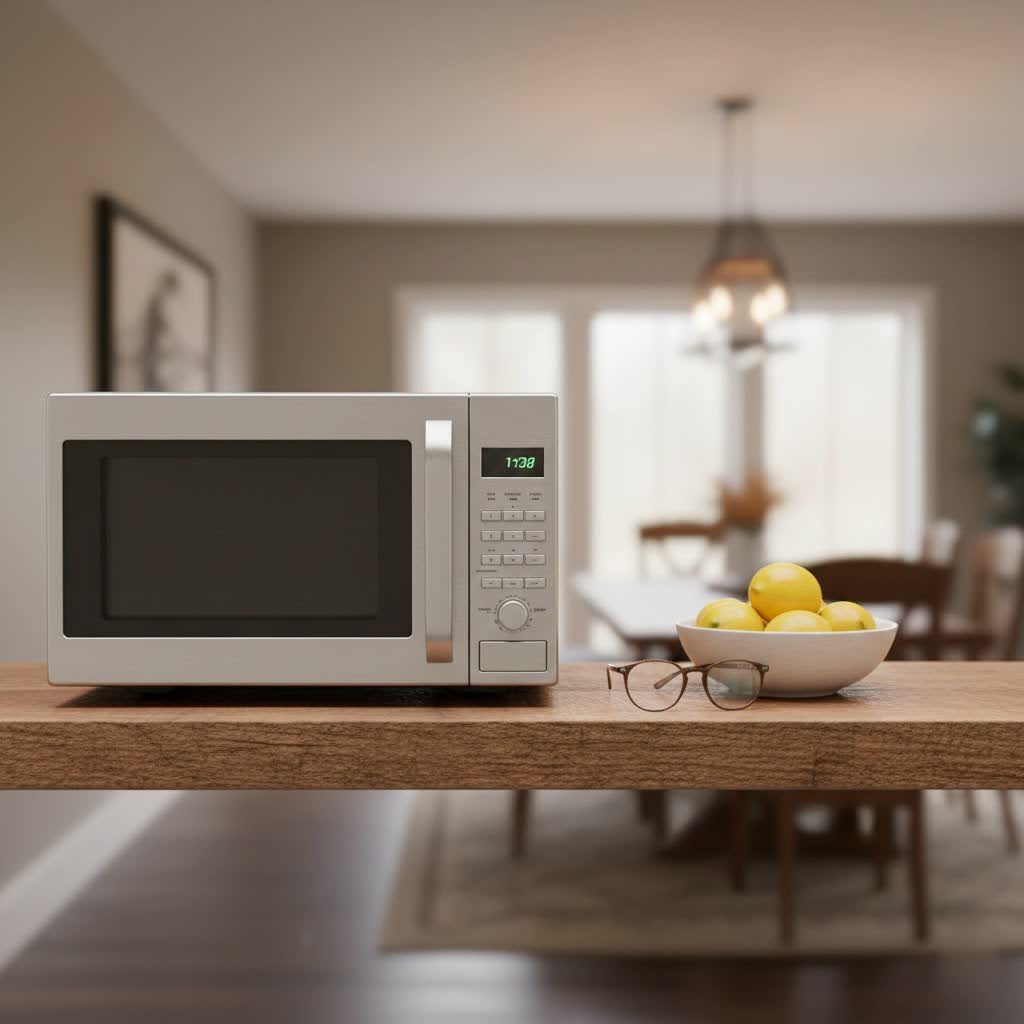
Why Choose a Built-In Microwave Oven?
Opting for a built-in microwave offers a multitude of advantages that go beyond simple reheating:
- Seamless Aesthetics and Design Integration: The primary allure of a built-in microwave lies in its ability to create a polished, high-end appearance. By fitting flush within custom cabinetry or a wall unit, it eliminates the visual clutter of a freestanding appliance, contributing to a streamlined and sophisticated kitchen design.
- Maximizing Counter Space: For many homeowners, precious counter space is a luxury. Built-in models free up valuable work surfaces, leaving more room for food preparation, small appliances, or simply a cleaner, more open kitchen environment. This is especially beneficial in smaller kitchens where every inch counts.
- Ergonomic Placement: Unlike countertop models that might require bending or reaching, built-in microwaves can be installed at a convenient height, often at eye level or integrated into a wall oven stack. This thoughtful placement improves accessibility and ease of use for everyone in the household.
- Advanced Cooking Capabilities: Modern built-in microwaves are far more than just basic heaters. Many models come equipped with sophisticated features such as convection cooking, which allows for baking and roasting, and even air frying, enabling healthier and crispier results without a separate appliance. Sensor cooking automatically adjusts power and time for optimal results, while pre-set menus simplify a wide range of tasks from defrosting to grilling.
- Durability and Longevity: Generally, built-in microwaves are designed for durability and often boast a longer lifespan, typically lasting 7-10 years with proper care, compared to their countertop counterparts.
|
Our Picks for the Best Microwave Oven in 2026
As an Amazon Associate I earn from qualifying purchases.
|
||
| Num | Product | Action |
|---|---|---|
| 1 | Midea Flexify Pro 10+4 Toaster Oven Air Fryer Combo, Graphene Juicy-Lock Cooking, French Door Countertop Oven, 450°F Flash Air Fry, 26.4 QT Stainless Steel |

|
| 2 | GASLAND 30 Inch Over-the-Range Microwave Oven, 1.7 Cu.Ft Over Stove Microwave, 1000W with 10 Power Levels, Sensor & One-Touch Cooking, 300 CFM Venting, LED Cooktop Light, Black Kitchen Microwave |
|
| 3 | TOSHIBA ML-EM09PA(SS) Small Microwave Oven with 6 Auto Menus, Mute Function & Child Lock, LED Lighting, Perfect for Apartments & Dorms, 0.9 Cu Ft, 10.6 Inch Removable Turntable, 900W, Stainless Steel |
|
| 4 | TOSHIBA EM131A5C-BS Countertop Microwave Ovens 1.2 Cu Ft, 12.4\" Removable Turntable Smart Humidity Sensor 12 Auto Menus Mute Function ECO Mode Easy Clean Interior Black Color 1000W |
|
| 5 | Chefman Countertop Microwave Oven 0.7 Cu. Ft., 700 Watts with 10 Power Levels, 6 Cooking Presets with One-Touch Express Cook, Eco Mode, Child Safety Lock, & Mute Button - Black |
|
| 6 | TOSHIBA ML-EM09PA(BS) Small Microwave Oven with 6 Auto Menus, Mute Function & Child Lock, LED Lighting, Perfect for Apartment, 0.9 Cu Ft, 10.6 Inch Removable Turntable, 900W, Black Stainless Steel |
|
| 7 | BLACK+DECKER EM720CB7 Digital Microwave Oven with Turntable Push-Button Door, Child Safety Lock, 700W, Stainless Steel, 0.7 Cu.ft |
|
| 8 | TOSHIBA EM131A5C-SS Countertop Microwave Ovens 1.2 Cu Ft with 12.4\" Removable Turntable Smart Humidity Sensor, 12 Auto Menus Mute Function ECO Mode Easy Clean Interior, 1000W, Silver |
|
| 9 | COMFEE\' EM720CPL-PMB Countertop Microwave Oven with Sound On/Off, ECO Mode and Easy One-Touch Buttons, 0.7cu.ft, 700W, Black |
|
| 10 | FRIGIDAIRE EMW733BLACKAMZ 0.7 Cu. Ft. Microwave, Black |
|
Types of Built-In Microwaves
The term “built-in” encompasses several configurations, each with its unique advantages:
- Wall-Mounted Microwaves: These are installed directly into cabinetry, often above a wall oven for a cohesive cooking station.
- Microwave Drawers: Designed to be installed under a counter or in an island, microwave drawers offer a discreet, pull-out design that is highly accessible and keeps cooking surfaces completely clear.
- Speed Ovens: A versatile hybrid, speed ovens combine microwave technology with convection and radiant heat. This allows them to function as a regular microwave, a second oven for baking and roasting, or a quick-cook appliance that can significantly reduce cooking times.
Key Features to Consider When Buying
When investing in a built-in microwave, consider these crucial features to match your cooking needs and kitchen layout:
- Wattage and Power Levels: For basic reheating and defrosting, 700-900 watts may suffice. However, for faster and more even cooking, especially with advanced functions, look for models with 1000 watts or more and multiple power levels.
- Capacity and Size: Capacity, measured in cubic feet, determines how much food the microwave can hold. Options typically range from around 0.8 cubic feet for smaller needs to over 2.2 cubic feet for larger dishes and family meals. Crucially, built-in microwaves are designed to fit standard cabinet cutouts, typically 24-inch, 27-inch, or 30-inch widths. Precise measurements are essential for installation.
- Cooking Functions: Beyond basic reheat and defrost, consider features like sensor cooking, convection (for baking/roasting), grilling, and air frying if you desire multi-functional versatility.
- Smart Technology: Many contemporary models offer Wi-Fi connectivity, allowing for remote operation via smartphone apps, integration with smart home systems, and even voice control, adding convenience to your cooking routine.
- Design and Finish: Stainless steel remains a popular choice for its modern appeal and easy maintenance, but various finishes are available to complement your kitchen décor.
Potential Drawbacks and Important Considerations
While built-in microwaves offer significant benefits, there are a few aspects to consider:
- Higher Cost: Built-in units typically have a higher upfront cost than countertop models, and this expense is often compounded by professional installation fees.
- Complex Installation: Installing a built-in microwave requires precise measurements and often professional expertise to ensure proper fit, electrical connections, and ventilation. They are not easily moved once installed.
- Less Flexibility: Once installed, built-in microwaves are difficult to relocate. If the unit needs replacement in the future, finding a model that perfectly fits the existing cutout dimensions can sometimes limit options.
- Ventilation Requirements: Proper ventilation is critical for optimal performance and longevity, which can influence placement options.
Leading appliance brands like LG, Bosch, Frigidaire, KitchenAid, GE, Samsung, and Sharp offer a wide array of built-in microwave ovens, each bringing their unique blend of innovation, style, and performance to the market. Choosing the right one means balancing your aesthetic desires with your functional requirements and budget.
A built-in microwave oven is more than just an appliance; it’s an investment in a cleaner, more efficient, and more beautiful kitchen. By understanding the types, features, and considerations involved, you can confidently select the perfect model to elevate your culinary space.
