In the fast-paced world of modern living, the microwave oven has transcended its initial role as a mere convenience to become an essential cornerstone of virtually every kitchen. From rapid reheating to sophisticated cooking, this unassuming appliance offers a blend of speed, efficiency, and versatility that few others can match.
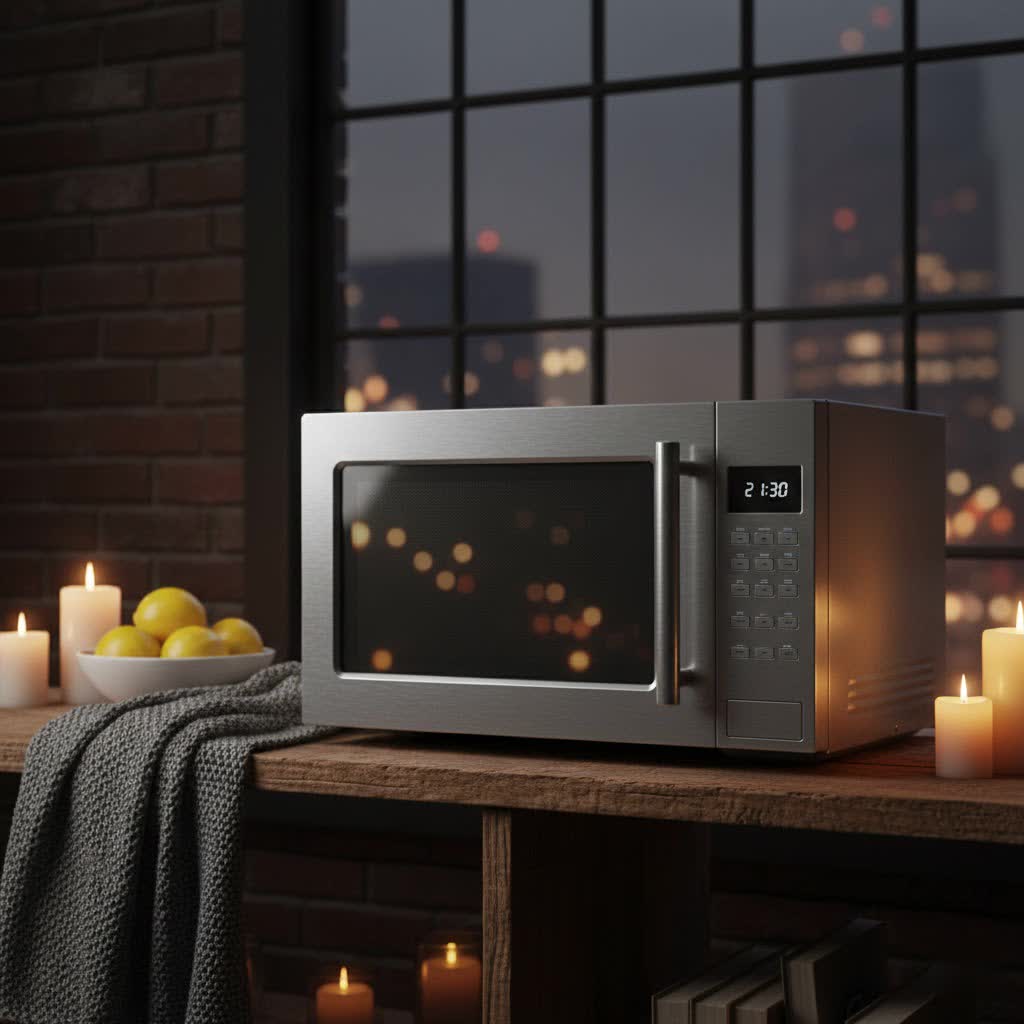
How a Microwave Oven Works
|
Our Picks for the Best Microwave Oven in 2026
As an Amazon Associate I earn from qualifying purchases.
|
||
| Num | Product | Action |
|---|---|---|
| 1 | TOSHIBA EM131A5C-SS Countertop Microwave Ovens 1.2 Cu Ft with 12.4\" Removable Turntable Smart Humidity Sensor, 12 Auto Menus Mute Function ECO Mode Easy Clean Interior, 1000W, Silver |

|
| 2 | Midea Flexify Pro 10+4 Toaster Oven Air Fryer Combo, Graphene Juicy-Lock Cooking, French Door Countertop Oven, 450°F Flash Air Fry, 26.4 QT Stainless Steel |
|
| 3 | COMFEE\' EM720CPL-PMB Countertop Microwave Oven with Sound On/Off, ECO Mode and Easy One-Touch Buttons, 0.7cu.ft, 700W, Black |
|
| 4 | BLACK+DECKER EM720CB7 Digital Microwave Oven with Turntable Push-Button Door, Child Safety Lock, 700W, Stainless Steel, 0.7 Cu.ft |
|
| 5 | Chefman Countertop Microwave Oven 0.7 Cu. Ft., 700 Watts with 10 Power Levels, 6 Cooking Presets with One-Touch Express Cook, Eco Mode, Child Safety Lock, & Mute Button - Black |
|
| 6 | FRIGIDAIRE EMW733BLACKAMZ 0.7 Cu. Ft. Microwave, Black |
|
| 7 | TOSHIBA EM131A5C-BS Countertop Microwave Ovens 1.2 Cu Ft, 12.4\" Removable Turntable Smart Humidity Sensor 12 Auto Menus Mute Function ECO Mode Easy Clean Interior Black Color 1000W |
|
| 8 | TOSHIBA ML-EM09PA(BS) Small Microwave Oven with 6 Auto Menus, Mute Function & Child Lock, LED Lighting, Perfect for Apartment, 0.9 Cu Ft, 10.6 Inch Removable Turntable, 900W, Black Stainless Steel |
|
| 9 | GASLAND 30 Inch Over-the-Range Microwave Oven, 1.7 Cu.Ft Over Stove Microwave, 1000W with 10 Power Levels, Sensor & One-Touch Cooking, 300 CFM Venting, LED Cooktop Light, Black Kitchen Microwave |
|
| 10 | TOSHIBA ML-EM09PA(SS) Small Microwave Oven with 6 Auto Menus, Mute Function & Child Lock, LED Lighting, Perfect for Apartments & Dorms, 0.9 Cu Ft, 10.6 Inch Removable Turntable, 900W, Stainless Steel |
|
At its core, a microwave oven operates on a fascinating principle of physics. It employs a device called a magnetron to generate electromagnetic waves, specifically microwaves, which are a form of non-ionizing radiation. These waves are directed into the cooking chamber, where they interact primarily with the polar molecules found in food—most notably water, but also fats and sugars.
When microwaves penetrate food, these molecules begin to vibrate and rotate rapidly in response to the oscillating electric field. This molecular friction produces thermal energy, a process known as dielectric heating, which quickly raises the food’s temperature. While it’s a common misconception that microwaves cook food from the “inside out,” the waves typically penetrate the outer 1 to 1.5 inches of most foods. The interior portions then heat primarily through the traditional conduction of heat from the warmed outer layers.
A Brief History of Innovation
The invention of the microwave oven was, somewhat serendipitously, a byproduct of radar technology developed during World War II. In 1945, American engineer Percy Spencer, while working with a magnetron, noticed that a chocolate bar in his pocket had melted. Intrigued, he experimented with heating other foods, eventually leading to the development of the world’s first commercial microwave oven, the “Radarange,” which was introduced in 1947. Initially large and costly, these early models were primarily for industrial use. However, continuous technological advancements and falling prices throughout the 1970s made microwave ovens affordable and accessible, transforming them into a standard fixture in residential kitchens worldwide.
Types of Microwave Ovens
Today’s market offers a diverse range of microwave ovens, each designed to fit different needs and kitchen layouts:
- Solo Microwaves: These are the most basic and budget-friendly models, perfect for simple tasks like reheating, defrosting, and basic cooking.
- Grill Microwaves: Building on solo functionality, grill microwaves include a heating element that allows you to brown, crisp, and toast food, adding texture that a solo microwave cannot.
- Convection Microwaves: The most versatile type, convection microwaves combine standard microwave heating with a convection fan and heating element. This allows them to function much like a traditional oven, enabling baking, roasting, and even air frying, making them ideal for small kitchens where a second oven isn’t feasible.
- Countertop Microwaves: The most common and portable option, these sit on any flat surface and are easy to set up and move.
- Over-the-Range (OTR) Microwaves: Installed above your stovetop, OTR models save valuable counter space and often incorporate a ventilation system to clear smoke and odors.
- Built-in Microwaves: These are integrated directly into cabinetry for a sleek, custom look that blends seamlessly with your kitchen design, often placed above a wall oven or below a countertop.
- Drawer Microwaves: A variation of built-in models, drawer microwaves are installed in lower cabinetry and slide out like a drawer, offering convenient access.
The Undeniable Benefits of Microwave Cooking
The widespread adoption of microwave ovens is largely due to their numerous advantages in daily kitchen routines:
- Speed and Convenience: Microwaves dramatically reduce cooking and reheating times, making them indispensable for busy individuals and quick meal preparation.
- Energy Efficiency: For smaller portions, microwaves often use less energy than conventional ovens or stovetops because they directly heat the food rather than the surrounding air.
- Nutrient Retention: Due to shorter cooking times and often less added water, microwaving can help preserve more vitamins and minerals in food compared to some traditional methods.
- Ease of Use and Cleaning: With straightforward controls and non-stick interiors, microwaves are typically easy to operate and simple to wipe clean.
- Reduced Burn Risk: Unlike stovetops or conventional ovens, the microwave oven itself remains cool, minimizing the risk of accidental burns.
Beyond Reheating: Versatile Uses for Your Microwave
While reheating leftovers remains a primary function, modern microwave ovens are capable of much more:
- Cooking Meals: From steaming vegetables and cooking rice or pasta to preparing instant meals, microwaves handle a variety of dishes efficiently.
- Defrosting: They offer a rapid and controlled way to defrost frozen foods, preparing them for further cooking.
- Baking and Roasting: Convection models expand capabilities to include baking cakes, roasting poultry, and even air frying snacks.
- Melting and Softening: Melting butter, chocolate, or cheese, and softening hard ice cream or stubborn brown sugar, are quick tasks for a microwave.
- Unique Applications: Some users even leverage microwaves for tasks like sanitizing sponges, making citrus fruits juicier, or de-crystallizing honey.
Choosing the Right Microwave Oven
When selecting a microwave, consider these key factors:
- Capacity and Size: Match the internal capacity to your family size and typical cooking needs. Smaller families might opt for compact models (0.7-1.0 cu. ft.), while larger households or those cooking bigger dishes may prefer 1.7-2.2+ cu. ft. ovens.
- Wattage: Higher wattage (generally 700-1200 watts for residential models) translates to faster and more even cooking.
- Features: Look for sensor cooking, which automatically adjusts cooking time based on food humidity; auto-defrost settings; child safety locks; and pre-programmed cooking options for popular foods. Some advanced models even offer smart connectivity and scan-to-cook technology.
- Placement and Design: Decide if a countertop model suits your space or if an over-the-range, built-in, or drawer unit better complements your kitchen’s aesthetic and maximizes counter real estate.
The microwave oven has cemented its place as an indispensable kitchen appliance, continually evolving to offer greater convenience and functionality. Understanding its mechanics, diverse types, and myriad benefits empowers consumers to choose the perfect model, transforming everyday cooking into a simpler, more efficient, and enjoyable experience.
