A clean microwave isn’t just about aesthetics; it’s about hygiene, efficiency, and eliminating unpleasant odors that can linger and affect your food. Over time, food splatters and spills accumulate, creating a breeding ground for bacteria and decreasing your appliance’s performance. Fortunately, restoring your microwave to a sparkling, fresh state is easier than you think, whether you prefer natural solutions or powerful commercial cleaners.
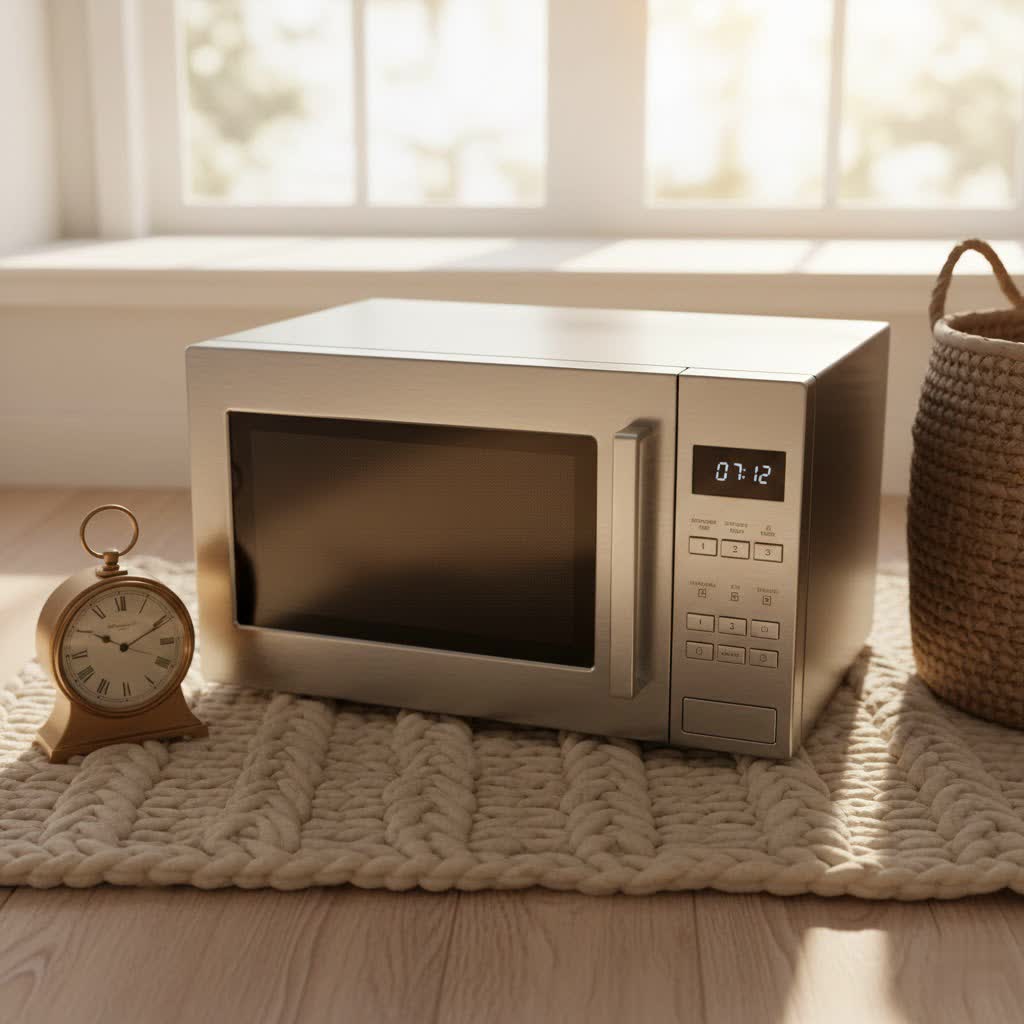
Why a Clean Microwave Matters
Beyond the visual appeal, a dirty microwave can harbor germs, spread foodborne illnesses, and even impact your food’s flavor. Baked-on grime and grease reduce cooking efficiency, potentially leading to uneven heating. Regularly cleaning your microwave is a simple yet crucial step in maintaining a healthy and functional kitchen.
Natural & DIY Microwave Cleaning Solutions
For those who prefer eco-friendly and chemical-free options, common household ingredients can work wonders by harnessing the power of steam to loosen tough grime.
The Vinegar Method
|
Our Picks for the Best Microwave Oven in 2026
As an Amazon Associate I earn from qualifying purchases.
|
||
| Num | Product | Action |
|---|---|---|
| 1 | FRIGIDAIRE EMW733BLACKAMZ 0.7 Cu. Ft. Microwave, Black |

|
| 2 | Chefman Countertop Microwave Oven 0.7 Cu. Ft., 700 Watts with 10 Power Levels, 6 Cooking Presets with One-Touch Express Cook, Eco Mode, Child Safety Lock, & Mute Button - Black |
|
| 3 | TOSHIBA ML-EM09PA(BS) Small Microwave Oven with 6 Auto Menus, Mute Function & Child Lock, LED Lighting, Perfect for Apartment, 0.9 Cu Ft, 10.6 Inch Removable Turntable, 900W, Black Stainless Steel |
|
| 4 | TOSHIBA EM131A5C-SS Countertop Microwave Ovens 1.2 Cu Ft with 12.4\" Removable Turntable Smart Humidity Sensor, 12 Auto Menus Mute Function ECO Mode Easy Clean Interior, 1000W, Silver |
|
| 5 | GASLAND 30 Inch Over-the-Range Microwave Oven, 1.7 Cu.Ft Over Stove Microwave, 1000W with 10 Power Levels, Sensor & One-Touch Cooking, 300 CFM Venting, LED Cooktop Light, Black Kitchen Microwave |
|
| 6 | BLACK+DECKER EM720CB7 Digital Microwave Oven with Turntable Push-Button Door, Child Safety Lock, 700W, Stainless Steel, 0.7 Cu.ft |
|
| 7 | Midea Flexify Pro 10+4 Toaster Oven Air Fryer Combo, Graphene Juicy-Lock Cooking, French Door Countertop Oven, 450°F Flash Air Fry, 26.4 QT Stainless Steel |
|
| 8 | COMFEE\' EM720CPL-PMB Countertop Microwave Oven with Sound On/Off, ECO Mode and Easy One-Touch Buttons, 0.7cu.ft, 700W, Black |
|
| 9 | TOSHIBA ML-EM09PA(SS) Small Microwave Oven with 6 Auto Menus, Mute Function & Child Lock, LED Lighting, Perfect for Apartments & Dorms, 0.9 Cu Ft, 10.6 Inch Removable Turntable, 900W, Stainless Steel |
|
| 10 | TOSHIBA EM131A5C-BS Countertop Microwave Ovens 1.2 Cu Ft, 12.4\" Removable Turntable Smart Humidity Sensor 12 Auto Menus Mute Function ECO Mode Easy Clean Interior Black Color 1000W |
|
White vinegar is an excellent natural degreaser and disinfectant.
- Combine: Mix 1 cup of water with 1-2 tablespoons of white vinegar in a microwave-safe bowl.
- Steam: Place the bowl in the microwave and heat on high for 3-5 minutes until the mixture boils and the microwave window steams up.
- Wait: Keep the microwave door closed for an additional 5-10 minutes. The steam will continue to break down food particles and loosen grime.
- Wipe: Carefully remove the hot bowl. Wipe down the interior surfaces, including the roof, sides, and door, with a damp cloth or sponge. Stubborn spots should wipe away easily.
The Lemon Method
Lemon offers similar cleaning power to vinegar but leaves a refreshing citrus scent, effectively deodorizing as it cleans.
- Prepare: Fill a microwave-safe bowl with 1 cup of water. Slice a lemon in half, squeeze its juice into the water, and then add the lemon halves to the bowl.
- Steam: Microwave on high for 3-5 minutes until boiling.
- Wait: Let the bowl sit in the closed microwave for 5-10 minutes to allow the steam and citric acid to work.
- Clean: Remove the bowl and wipe down the interior with a clean cloth.
The Baking Soda Method
Baking soda is known for its mild abrasive qualities and excellent deodorizing capabilities.
- Mix: Dissolve 2 tablespoons of baking soda in 1 cup of water in a microwave-safe bowl.
- Steam & Deodorize: Microwave on high for 3-5 minutes. Let it sit in the microwave for another 5-10 minutes.
- Wipe: Use a soft cloth to wipe away loosened food and grease. For persistent odors, you can leave an open box of baking soda in the microwave overnight.
Top Commercial Microwave Oven Cleaners
For those extra tough, baked-on messes or when you need a powerful solution, several commercial products are designed specifically for microwave cleaning.
- Degreaser Sprays: Products like Easy-Off Fume Free Oven Cleaner or Frigidaire ReadyClean are formulated to break down grease and caked-on food. Many come in a fume-free variant for a more pleasant cleaning experience. Always apply to cool surfaces and follow product instructions carefully.
- Microwave Steam Cleaners: Innovative gadgets, often shaped like “Angry Mama,” use water and vinegar (or just water) to create steam, simplifying the cleaning process. You fill them, microwave them, and then wipe.
- All-Purpose Cleaners & Wipes: Brands such as Simple Green or Weiman offer all-purpose cleaners and specialized wipes that can effectively tackle microwave splatters and grease. Always check product labels to ensure they are safe for microwave interiors and specific finishes like stainless steel.
A Step-by-Step Guide to Cleaning Your Microwave
No matter which cleaning solution you choose, a systematic approach ensures a thorough clean.
- Remove Removable Parts: Take out the glass turntable and any roller rings. Wash these separately in warm, soapy water. Rinse and dry thoroughly.
- Steam the Interior: Use one of the steam methods (vinegar, lemon, or baking soda water) described above. This softens dried food and makes wiping much easier.
- Wipe Down the Interior: After steaming, use a damp cloth or sponge to wipe all interior surfaces, including the ceiling, walls, and floor. For stubborn spots, a mild abrasive (like a baking soda paste) can be gently applied.
- Clean the Door: Don’t forget the inside of the door, including the seal. For a greasy window, a 50/50 mixture of vinegar and water works well.
- Clean the Exterior: Wipe down the outside of the microwave with an all-purpose cleaner or soapy water. For stainless steel, wipe in the direction of the grain.
- Address Filters (if applicable): Some over-the-range microwaves have filters. Mesh grease filters can be soaked in hot, soapy water with baking soda, then scrubbed gently. Charcoal filters are typically not washable and should be replaced every 3-6 months.
- Reassemble: Once all parts are clean and dry, return the turntable and roller ring to their positions.
Tips for Maintaining a Clean Microwave
Prevention is key to an effortlessly clean microwave.
- Cover Your Food: Always use a microwave-safe lid, plastic wrap, or paper towel to cover food while heating. This prevents splatters and keeps your microwave much cleaner.
- Wipe Up Spills Immediately: Don’t let fresh spills dry and harden. A quick wipe with a damp cloth after each use can prevent major clean-ups later.
- Regular Deodorizing: If lingering odors persist, leave a bowl of activated charcoal or an open box of baking soda inside the microwave overnight.
- Clean Filters Regularly: If your microwave has a filter, follow the manufacturer’s recommendations for cleaning or replacement to maintain optimal ventilation.
By incorporating these cleaning practices into your routine, you can ensure your microwave remains a hygienic, efficient, and odor-free appliance, ready for all your cooking needs.
