In the fast-paced rhythm of modern life, the Countertop Microwave Oven stands as a cornerstone of kitchen convenience. This versatile appliance, known for its straightforward functionality and compact footprint, has evolved beyond simple reheating to become a multifaceted cooking tool for countless households. Unlike built-in or over-the-range models, a countertop microwave requires no intricate installation; you simply unpack it, plug it in, and it’s ready to enhance your daily cooking routine.
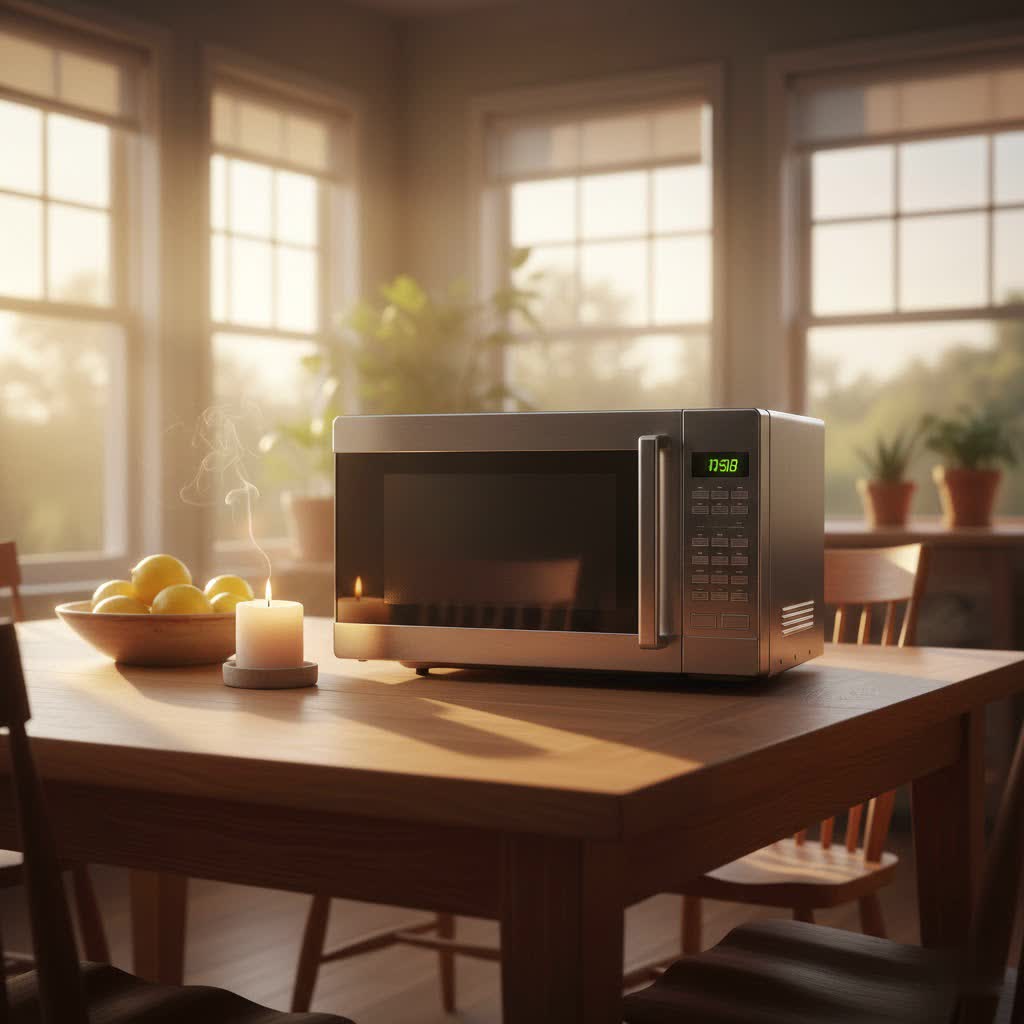
Why a Countertop Microwave is an Essential Kitchen Companion
|
Our Picks for the Best Microwave Oven in 2026
As an Amazon Associate I earn from qualifying purchases.
|
||
| Num | Product | Action |
|---|---|---|
| 1 | GASLAND 30 Inch Over-the-Range Microwave Oven, 1.7 Cu.Ft Over Stove Microwave, 1000W with 10 Power Levels, Sensor & One-Touch Cooking, 300 CFM Venting, LED Cooktop Light, Black Kitchen Microwave |

|
| 2 | TOSHIBA EM131A5C-BS Countertop Microwave Ovens 1.2 Cu Ft, 12.4\" Removable Turntable Smart Humidity Sensor 12 Auto Menus Mute Function ECO Mode Easy Clean Interior Black Color 1000W |
|
| 3 | TOSHIBA ML-EM09PA(SS) Small Microwave Oven with 6 Auto Menus, Mute Function & Child Lock, LED Lighting, Perfect for Apartments & Dorms, 0.9 Cu Ft, 10.6 Inch Removable Turntable, 900W, Stainless Steel |
|
| 4 | Chefman Countertop Microwave Oven 0.7 Cu. Ft., 700 Watts with 10 Power Levels, 6 Cooking Presets with One-Touch Express Cook, Eco Mode, Child Safety Lock, & Mute Button - Black |
|
| 5 | TOSHIBA ML-EM09PA(BS) Small Microwave Oven with 6 Auto Menus, Mute Function & Child Lock, LED Lighting, Perfect for Apartment, 0.9 Cu Ft, 10.6 Inch Removable Turntable, 900W, Black Stainless Steel |
|
| 6 | FRIGIDAIRE EMW733BLACKAMZ 0.7 Cu. Ft. Microwave, Black |
|
| 7 | TOSHIBA EM131A5C-SS Countertop Microwave Ovens 1.2 Cu Ft with 12.4\" Removable Turntable Smart Humidity Sensor, 12 Auto Menus Mute Function ECO Mode Easy Clean Interior, 1000W, Silver |
|
| 8 | Midea Flexify Pro 10+4 Toaster Oven Air Fryer Combo, Graphene Juicy-Lock Cooking, French Door Countertop Oven, 450°F Flash Air Fry, 26.4 QT Stainless Steel |
|
| 9 | BLACK+DECKER EM720CB7 Digital Microwave Oven with Turntable Push-Button Door, Child Safety Lock, 700W, Stainless Steel, 0.7 Cu.ft |
|
| 10 | COMFEE\' EM720CPL-PMB Countertop Microwave Oven with Sound On/Off, ECO Mode and Easy One-Touch Buttons, 0.7cu.ft, 700W, Black |
|
The appeal of countertop microwaves lies in their inherent flexibility and user-friendly nature. They are a popular choice for apartments, dorm rooms, offices, or any kitchen where space is at a premium and permanent appliance installation isn’t feasible or desired. Their portability means they can easily be moved, replaced, or tucked away when not needed, offering a dynamic solution for various living situations. Beyond their practical advantages, these models also boast a wide variety of styles and sizes, allowing them to seamlessly integrate into any kitchen aesthetic while making everyday tasks quicker and more efficient.
Key Features to Consider When Buying
Choosing the ideal countertop microwave involves understanding the features that best align with your culinary habits and kitchen needs.
Power (Wattage)
The microwave’s power, measured in watts, directly influences its cooking speed and efficiency. Most countertop models range from 600 to over 1200 watts. A higher wattage generally translates to faster and more even heating, with 1000 watts often considered a strong baseline for optimal performance across a range of tasks, from defrosting to cooking entire meals. Lower wattage units (under 700 watts) may be more energy-efficient for simple tasks but will take longer to cook and might heat food less uniformly.
Capacity and Size
Capacity, measured in cubic feet (cu. ft.), determines how much food the microwave can accommodate. Sizes typically fall into:
- Compact (0.5 – 0.9 cu. ft.): Ideal for reheating single servings or small items like coffee mugs.
- Mid-size (1.0 – 1.5 cu. ft.): Suitable for most standard dinner plates and everyday cooking.
- Full-size (1.6 – 2.2 cu. ft. and above): Designed for larger families or those who frequently cook bigger dishes, such as casseroles.
Beyond internal capacity, always measure your available counter space (width, depth, and height) to ensure a perfect fit for the external dimensions of the appliance.
Advanced Cooking Technologies
Modern countertop microwaves often incorporate sophisticated features that elevate their cooking capabilities:
- Inverter Technology: This innovation provides a continuous, steady stream of power, unlike traditional microwaves that cycle power on and off. The result is more evenly cooked food with fewer cold spots and better texture preservation. While often found in pricier models, the consistent performance is a significant advantage.
- Sensor Cooking: Equipped with intelligent sensors, these microwaves detect the moisture and humidity levels in your food, automatically adjusting cooking time and power. This takes the guesswork out of cooking and helps prevent overcooking or undercooking, making it perfect for popular items like potatoes, popcorn, and vegetables.
- Convection Cooking: Some high-end countertop microwaves double as convection ovens, circulating hot air to bake, roast, and even air fry. This multi-functionality can consolidate several kitchen appliances into one, saving space and expanding your culinary repertoire.
Convenience Features
Many smaller details can significantly enhance the user experience:
- Pre-set Programs: One-touch buttons for common foods (e.g., popcorn, pizza, beverages, defrost, reheat) simplify operation.
- Express Cook Buttons: Features like an “Add 30 Seconds” button or quick-start options for 1-6 minutes offer immediate heating.
- Turntable: A rotating glass tray ensures even heating by exposing all sides of the food to microwave energy. Some models allow you to turn off the turntable for larger, non-rotating dishes.
- Child Lock: Essential for families, this safety feature prevents accidental use.
- User-Friendly Controls: Look for easy-to-read digital displays, responsive touchpads or physical buttons, and an intuitive layout. Smooth control panels are also easier to clean than those with numerous buttons or knobs.
Design and Aesthetics
Since a countertop microwave is a visible appliance, its style matters. Manufacturers offer various finishes, including stainless steel, black, and white, to match different kitchen décors. Sleek designs and LED displays contribute to a modern aesthetic.
Smart Features (Optional)
For tech-savvy users, some microwaves now come with Wi-Fi connectivity, allowing for app control, voice assistant integration (like Alexa or Google Home), remote start/pause, and even barcode scanning for automatic cooking instructions.
Tips for Choosing Your Ideal Countertop Microwave
- Measure Your Space: Before anything else, measure the exact dimensions of where you plan to place the microwave.
- Identify Your Primary Use: Are you mostly reheating leftovers, or do you plan to cook more extensively? This will guide your wattage and feature choices.
- Set a Budget: Countertop microwaves vary widely in price. Determine what you’re willing to spend to narrow down your options without compromising on essential features.
Maintenance and Care
Maintaining your countertop microwave is straightforward. Look for models with easy-to-clean interiors, often with non-stick coatings, and removable, dishwasher-safe turntables to simplify the cleaning process and ensure hygiene.
A countertop microwave oven is more than just a heating device; it’s a versatile and convenient appliance that can significantly streamline your kitchen tasks. By carefully considering wattage, capacity, advanced cooking technologies, and convenience features, you can select the perfect model to meet your daily needs and culinary aspirations.
