In the quest for a more efficient and streamlined kitchen, the Microwave And Oven Combined unit has emerged as a revolutionary appliance. This innovative solution merges the swift reheating capabilities of a microwave with the comprehensive cooking power of a traditional oven, often featuring convection technology. Designed for modern living, these units offer a compelling blend of functionality, space-saving design, and advanced features that cater to diverse culinary needs.
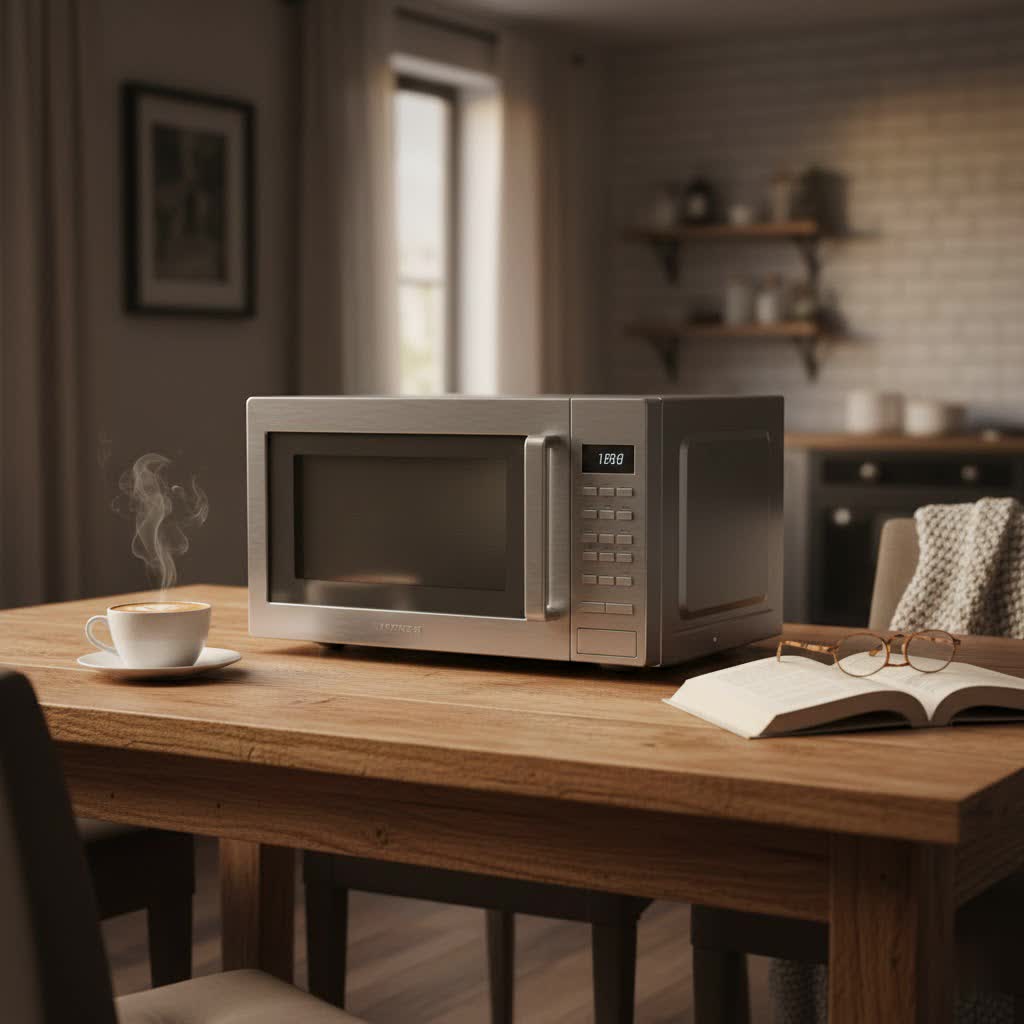
What is a Microwave and Oven Combo?
At its core, a microwave and oven combined unit is a single appliance that integrates the functionalities of both a microwave and a conventional oven. Often referred to as a “combi microwave” or “convection microwave,” these units typically feature a microwave function for rapid heating and defrosting, alongside a convection oven that uses a fan to circulate hot air, ensuring even and thorough cooking, baking, and roasting. Some models even extend their capabilities to include grilling, steaming, or air frying, making them incredibly versatile.
These units primarily operate by offering distinct cooking modes: microwave heating, conventional oven baking/roasting (usually with convection), and often a combination mode that uses both microwave energy and convection heat simultaneously to significantly reduce cooking times while achieving desirable textures. The most common configuration is a built-in wall unit, where the microwave is positioned above a conventional or convection oven, creating a sleek, integrated look in your kitchen cabinetry.
Key Benefits of Integrating Two Appliances
The appeal of a combined microwave and oven unit stems from several significant advantages:
Space-Saving Design
|
Our Picks for the Best Microwave Oven in 2026
As an Amazon Associate I earn from qualifying purchases.
|
||
| Num | Product | Action |
|---|---|---|
| 1 | TOSHIBA ML-EM09PA(BS) Small Microwave Oven with 6 Auto Menus, Mute Function & Child Lock, LED Lighting, Perfect for Apartment, 0.9 Cu Ft, 10.6 Inch Removable Turntable, 900W, Black Stainless Steel |

|
| 2 | GASLAND 30 Inch Over-the-Range Microwave Oven, 1.7 Cu.Ft Over Stove Microwave, 1000W with 10 Power Levels, Sensor & One-Touch Cooking, 300 CFM Venting, LED Cooktop Light, Black Kitchen Microwave |
|
| 3 | TOSHIBA ML-EM09PA(SS) Small Microwave Oven with 6 Auto Menus, Mute Function & Child Lock, LED Lighting, Perfect for Apartments & Dorms, 0.9 Cu Ft, 10.6 Inch Removable Turntable, 900W, Stainless Steel |
|
| 4 | BLACK+DECKER EM720CB7 Digital Microwave Oven with Turntable Push-Button Door, Child Safety Lock, 700W, Stainless Steel, 0.7 Cu.ft |
|
| 5 | FRIGIDAIRE EMW733BLACKAMZ 0.7 Cu. Ft. Microwave, Black |
|
| 6 | TOSHIBA EM131A5C-BS Countertop Microwave Ovens 1.2 Cu Ft, 12.4\" Removable Turntable Smart Humidity Sensor 12 Auto Menus Mute Function ECO Mode Easy Clean Interior Black Color 1000W |
|
| 7 | Chefman Countertop Microwave Oven 0.7 Cu. Ft., 700 Watts with 10 Power Levels, 6 Cooking Presets with One-Touch Express Cook, Eco Mode, Child Safety Lock, & Mute Button - Black |
|
| 8 | TOSHIBA EM131A5C-SS Countertop Microwave Ovens 1.2 Cu Ft with 12.4\" Removable Turntable Smart Humidity Sensor, 12 Auto Menus Mute Function ECO Mode Easy Clean Interior, 1000W, Silver |
|
| 9 | Midea Flexify Pro 10+4 Toaster Oven Air Fryer Combo, Graphene Juicy-Lock Cooking, French Door Countertop Oven, 450°F Flash Air Fry, 26.4 QT Stainless Steel |
|
| 10 | COMFEE\' EM720CPL-PMB Countertop Microwave Oven with Sound On/Off, ECO Mode and Easy One-Touch Buttons, 0.7cu.ft, 700W, Black |
|
One of the most compelling benefits is its ability to save valuable kitchen space. By consolidating two essential appliances into a single footprint, these units free up counter space and reduce the need for multiple wall cutouts, making them ideal for smaller kitchens, apartments, RVs, or for those desiring a cleaner, less cluttered aesthetic. They provide the functionality of a second oven without requiring additional room.
Unmatched Versatility in Cooking
These appliances are culinary chameleons, capable of handling a vast array of cooking tasks. From quick reheating and defrosting with the microwave to precise baking, roasting, and broiling with the convection oven, they offer extensive flexibility. Many units also feature specialized functions like grilling, steaming, or even air frying, empowering home cooks to experiment with diverse recipes and cooking methods using just one appliance.
Enhanced Cooking Efficiency and Speed
Combined units often boast faster cooking times. The integration of microwave power with convection heat in “combination modes” allows food to cook more rapidly and evenly than in a traditional oven alone. Additionally, convection ovens typically preheat much faster, further reducing overall meal preparation time.
Modern Aesthetic Appeal
For those who prioritize kitchen aesthetics, built-in microwave and oven combos offer a streamlined, high-end appearance. Their integrated design contributes to a cohesive and contemporary kitchen environment, enhancing the overall visual appeal of the space.
Advanced Smart Features and Convenience
Modern combined units are frequently equipped with cutting-edge technology designed to simplify cooking. Features such as sensor cooking (which automatically adjusts power and time based on food humidity), pre-programmed settings, multi-stage cooking, and remote monitoring via smartphone apps (compatible with smart home systems like Alexa and Google Assistant) add layers of convenience and precision to your cooking experience. Inverter technology in some microwaves provides consistent heat for more even cooking and defrosting.
Potential Considerations
While highly beneficial, it’s important to consider a few potential drawbacks:
Initial Investment Cost
Combined units generally represent a higher initial investment compared to purchasing separate, basic microwaves and single ovens. However, this cost can be offset by the space saved and the enhanced functionality.
Differences in Traditional Baking Performance
Some culinary enthusiasts argue that while combination ovens perform admirably, certain delicate baked goods might achieve a slightly superior texture in a dedicated conventional oven, especially those requiring consistent bottom heat like pies. The interior capacity, while often generous, might also be slightly smaller than a large single oven, potentially limiting very large roasting pans or multiple large baking sheets simultaneously.
Maintenance and Replacement Concerns
Should one component of the combined unit malfunction, it might necessitate repairs or even replacement of the entire integrated appliance, which can be more complex and potentially more costly than replacing a standalone microwave or oven.
Types of Microwave and Oven Combined Units
Combined units primarily come in a few configurations:
Built-in Wall Oven Combos
This is the most popular type, featuring a microwave integrated above a larger oven, designed to be installed flush with cabinetry. These units are typically 27 or 30 inches wide, offering a cohesive and high-end built-in look.
Countertop Convection Microwaves
While not strictly “oven and microwave combined” in the built-in sense, many countertop convection microwaves offer both microwave and convection baking/roasting functionalities in a single, portable unit.
Speed Ovens and Combi-Steam Ovens
These are specialized variations that often incorporate microwave technology with other advanced cooking methods, such as high-speed convection (speed ovens) or steam cooking (combi-steam ovens), further expanding their culinary capabilities.
Choosing Your Perfect Combo: Essential Features to Look For
Selecting the right combined unit involves considering your specific cooking habits and kitchen needs:
Cooking Functions
Prioritize models with the cooking functions you’ll use most frequently. Ensure it includes robust convection baking and roasting, and consider if grilling, steaming, or air frying features would enhance your cooking repertoire.
Size and Capacity
Measure your available kitchen space carefully, especially for built-in models. Standard widths are 27 and 30 inches. Consider the internal capacity (measured in cubic feet or liters) to ensure it accommodates your typical cookware and meal sizes.
Power and Wattage
Higher wattage generally indicates faster and more efficient performance. Look for microwaves with 1000 watts or more, and check the convection/broil wattage for optimal oven performance.
Control and Smart Technologies
An intuitive control panel with easy-to-read displays and pre-programmed settings will enhance usability. Advanced features like sensor cooking, multi-stage cooking, and smart connectivity for remote control offer added convenience. Inverter technology can provide more consistent and even heating.
Ease of Cleaning
Consider self-cleaning or steam-cleaning functions for the oven cavity, as these features significantly simplify maintenance and help keep your appliance pristine.
Design and Aesthetics
Choose a finish and style that complements your kitchen decor. Stainless steel is a popular choice for its sleek, modern appearance, and features like soft-close doors can add to the premium feel.
Conclusion
A microwave and oven combined unit is a transformative appliance for any modern kitchen, offering an unparalleled combination of space efficiency, cooking versatility, and advanced technology. By understanding their benefits, limitations, and key features, you can confidently choose a unit that not only elevates your cooking experience but also contributes to a more organized and stylish kitchen environment. This all-in-one solution is a testament to how intelligent appliance design can simplify daily routines and inspire culinary creativity.
